Council Enforcement, Road Safety and Oversight
An independent documentary examination of road-rule enforcement, road safety, procedural fairness and public accountability.
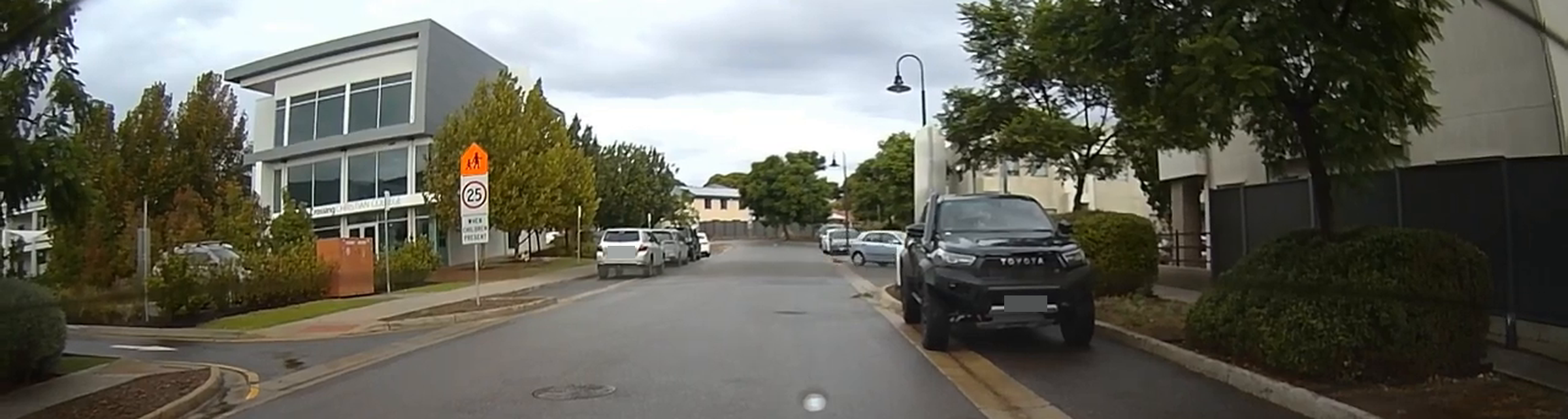
A $104 double-parking infringement. Almost five years of legal and administrative consequences. A Court of Appeal finding that the trial involved a miscarriage of justice. A conviction set aside, a retrial ordered, and the prosecution ultimately withdrawn.
The prosecution ended. The wider questions of road safety, enforcement consistency and public accountability remain.
The matter began on 24 November 2021, when a vehicle was photographed within school-afternoon traffic on Boucaut Avenue, Blakeview. The City of Playford subsequently issued an infringement notice alleging double parking under Australian Road Rule 189(1). What followed was years of enforcement, judicial proceedings, financial liabilities and administrative consequences, ultimately ending in withdrawal of the prosecution following the Court of Appeal’s determination.
Council records disclose 32 infringements under Australian Road Rule 189(1) on Boucaut Avenue during the 2020–21 and 2021–22 financial years. Yet Council could not locate the requested officer-training records, while subsequent advice from the Department for Infrastructure and Transport differed materially from Council’s event-specific approach to vehicles stopped within traffic. These circumstances raise questions about the interpretation and application of road rules, officer competency, enforcement priorities, procedural fairness and institutional accountability.
AGPAI calls upon the South Australian Government and Parliament to address the need for clearer road rules, consistent statewide interpretation and enforcement practices that prioritise road safety and the efficient movement of traffic.
In particular, the Inquiry calls for legislative consideration of Australian Road Rule 189(1), including an express distinction between vehicles stopped as a consequence of traffic conditions and vehicles independently stopped in a prohibited double-parking position. It also calls for examination of officer training, competency, supervision and operational guidance, together with the adequacy of procedural safeguards, proportionate enforcement and institutional accountability.
Road rules should be clear to motorists, consistently understood by enforcement authorities and applied in a manner that genuinely promotes public safety.
Explore the Inquiry
Four interconnected volumes. One comprehensive examination of road-traffic enforcement, public administration and institutional accountability.
The Administrative Governance and Public Accountability Inquiry brings together the documentary evidence, judicial proceedings, structured analysis and public-interest findings arising from a single road-traffic allegation under Australian Road Rule 189(1) and its extraordinary administrative history.
The Inquiry is structured to enable readers to move beyond the originating incident and examine how statutory powers were exercised, how evidence and legal requirements were interpreted, how institutions responded to concerns, and whether the documented arrangements adequately protected road safety, procedural fairness and public accountability.
Each volume serves a distinct purpose. Together, the four volumes provide a transparent and traceable framework through which the Inquiry’s analysis and findings can be independently examined.
Volume I — Findings Collection
The findings, conclusions and case for reform.
The Findings Collection will present the Inquiry’s principal findings, conclusions and supported public-interest recommendations arising from its documentary examination of road-traffic enforcement, statutory administration, officer competency, school-zone safety, procedural fairness and institutional accountability.
It considers the broader significance of the matters examined and identifies where legislative clarification, improved administrative safeguards or stronger accountability arrangements may be warranted. Findings remain traceable through the analytical briefs to the underlying documentary evidence.
Volume II — Brief Collection
Thirteen analytical briefs examining the questions at the heart of the Inquiry.
The Brief Collection provides the detailed documentary examination supporting the Inquiry’s findings. Each of its 13 subject-specific briefs addresses an approved Primary Inquiry Question through structured examination and comparison of relevant documentary evidence.
Together, the briefs investigate the originating enforcement decision, Australian Road Rule 189(1), evidentiary issues, statutory administration, procedural fairness, lawful authority, officer training and competency, road-rule interpretation, school-zone traffic safety, administrative responsibility, independent oversight and broader institutional accountability.
Each brief distinguishes what the documentary record establishes from what remains unresolved, providing a transparent analytical pathway between the original evidence and the Inquiry’s findings.
Volume III — Evidence Collection
The original documentary record upon which the Inquiry is founded.
The Evidence Collection preserves and organises the documentary sources examined throughout the Inquiry. Its nine Parts bring together legislation, government and council publications, enforcement and administrative records, Freedom of Information material, official correspondence, operational observations and other relevant source documents.
The material is presented with permanent documentary identifiers and supporting source information, allowing readers to independently examine the evidence relied upon within the Brief and Findings Collections.
Volume IV — Court Proceedings Collection
The judicial record of a prosecution that ultimately ended in withdrawal.
The Court Proceedings Collection preserves the procedural and documentary record of the litigation arising from the original infringement notice, including Magistrates Court proceedings, applications, evidentiary material, judgments, appellate proceedings, orders and the final disposition following remittal.
It enables readers to examine the progression of the proceedings, the matters considered by the courts and the documented circumstances surrounding the Court of Appeal’s miscarriage-of-justice determination.
Court documents are identified through permanent CRT references, preserving the judicial record independently of the Inquiry’s subsequent analysis and findings.
Publication Availability
The Inquiry is being published progressively.
Individual publications will become available as their applicable publication audits, verification and public-release requirements are completed. The website will distinguish material approved for public release from publications still undergoing preparation or verification, while preserving the complete four-volume structure of the Inquiry.

